
10 Career Paths in the Hospitality Industry After Class 12th
Choosing a career after Class 12th can feel confusing. Some students already know what they want to do, while many are still exploring different options. If you enjoy meeting people, working in a team, solving problems and learning practical skills, the hospitality industry can offer many career choices.
Hospitality is much bigger than working at a hotel reception desk. Hotels need people for guest service, food production, housekeeping, reservations, restaurants, events, sales and many other departments. With the right training and practical experience, students can start at an entry-level position and gradually move towards supervisory and management roles.
For students who prefer practical learning instead of only classroom theory, joining a hospitality certification programme can also help them understand how hotels actually work before they enter the industry.
What Is a Career in Hospitality?
A hospitality career involves providing services and experiences to guests. This can include welcoming a hotel guest, preparing food, managing rooms, handling reservations, organising events or helping customers during their stay.
The industry mainly looks for people who can communicate clearly, work well with others and maintain good service standards. Technical knowledge is useful, but your attitude, grooming, confidence and willingness to learn also play an important role.
Hospitality careers are available across hotels, resorts, restaurants, event companies, travel businesses and several other service-based industries.
Quick Look at Hospitality Career Options
Career Path | What You Mainly Do | Useful Skills |
Front Office | Welcome and assist guests | Communication, confidence |
Guest Relations | Improve guest experience | Problem-solving, people skills |
Housekeeping | Maintain rooms and hotel areas | Organisation, attention to detail |
Food & Beverage Service | Serve guests in restaurants | Service skills, teamwork |
Food Production | Prepare food in hotel kitchens | Cooking, hygiene, discipline |
Reservations | Manage room bookings | Computer skills, communication |
Banquets & Events | Support events and functions | Planning, coordination |
Hotel Sales | Help generate hotel business | Communication, sales skills |
Hotel Operations | Support different hotel departments | Leadership, organisation |
Travel & Hospitality Services | Assist travellers and customers | Customer service, communication |
Let us understand these career paths in more detail.
1. Front Office
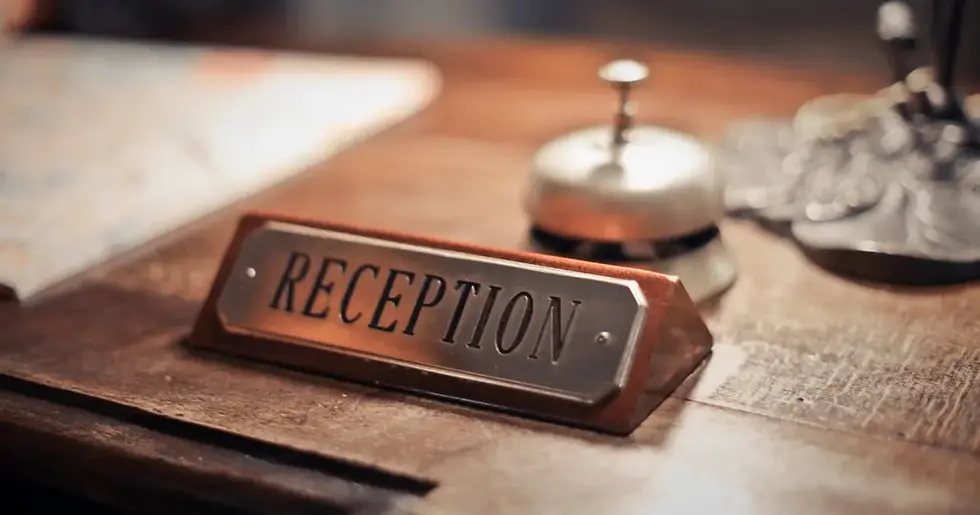
The front office is usually one of the first departments a guest interacts with when entering a hotel. Front office employees welcome guests, help with check-in and check-out, answer questions and coordinate with other hotel departments.
This career can be suitable for students who enjoy speaking with people and are comfortable working in a professional environment. Good communication, basic computer knowledge, grooming and confidence are important for this role.
Students may begin as a front office associate or receptionist. With experience, they can move towards positions such as front office supervisor, duty manager and front office manager.
2. Guest Relations
Guest relations focuses on making sure guests have a comfortable and positive experience. A guest relations executive may welcome guests, understand special requests, solve problems and coordinate with other departments when assistance is required.
This role requires patience because every guest may have different expectations. You should be able to listen carefully and find practical solutions without becoming stressed.
Students who enjoy interacting with people and solving problems can consider guest relations as a career path. Strong communication and a calm personality can be very useful here.
3. Housekeeping
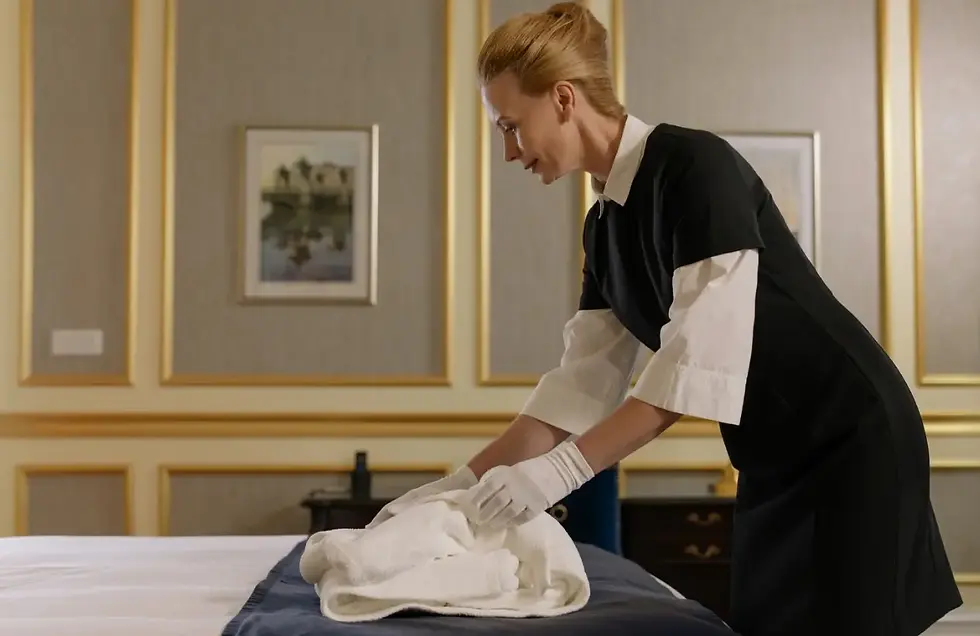
Housekeeping plays an important role in maintaining cleanliness, comfort and hygiene inside a hotel. The department looks after guest rooms, corridors and several other areas used by guests.
Working in housekeeping requires attention to detail. A small issue such as an unclean bathroom, missing towel or poorly prepared room can affect the guest's overall experience.
Students can begin in operational housekeeping roles and later move towards supervisory positions. With experience, career opportunities can include housekeeping supervisor, floor supervisor and executive housekeeper.
4. Food and Beverage Service
Food and Beverage Service, commonly called F&B Service, covers restaurants, cafes, banquets and other areas where food and drinks are served to guests.
Professionals working in this department take orders, serve guests, prepare tables and help maintain service standards. They also need to understand the menu and communicate properly with both guests and kitchen teams.
Students who are active, friendly and comfortable working with customers may enjoy F&B Service. There are several roles available in the hotel sector within this department, including steward, restaurant associate, captain, supervisor and restaurant manager.
5. Food Production
Food Production is the department responsible for preparing the food served inside a hotel. It includes different kitchen sections and involves much more than simply knowing how to cook.
Professionals working in food production must understand ingredients, food safety, hygiene, kitchen equipment and preparation methods. Kitchens also require discipline because several people often work together during busy service hours.
Students interested in cooking can begin with junior kitchen roles and build their skills through practical experience. Over time, they can progress towards positions such as commis chef, chef de partie, sous chef and executive chef.
6. Reservations
The reservations department manages room booking requests and helps maintain accurate information about room availability. Reservations may come through calls, emails, travel websites or other booking channels.
People working in this department need to enter information correctly because even a small booking mistake can create problems when the guest arrives. Communication and basic computer skills are therefore important.
Reservations can be a good option for students who enjoy organised work and customer communication but may not want a role that involves constant face-to-face guest interaction.
7. Banquets and Events
Hotels regularly host weddings, conferences, meetings, celebrations and corporate events. The banquet and event teams help make sure these functions are organised properly.
Employees may help prepare the venue, coordinate food service, understand guest requirements and work with several hotel departments. Large events require strong teamwork because many activities happen at the same time.
Students who enjoy planning, coordination and fast-moving environments can explore this career path. Experience in hotel banquets can also provide useful skills for careers in the wider event management industry.
8. Hotel Sales and Marketing
Hotels need customers throughout the year. Sales and marketing teams help attract individual travellers, corporate clients, event organisers and travel companies.
The role may involve speaking with potential clients, creating business relationships, promoting hotel services and supporting marketing campaigns. In modern hotels, digital marketing and online visibility are also becoming important.
This career path can suit students who enjoy communication, business and creative thinking. It is different from hotel operations because the main focus is on bringing business to the property.
9. Hotel Operations
Hotel operations involves understanding how different departments work together to serve guests. Front office, housekeeping, F&B, reservations and other teams cannot work completely independently.
For example, the front office needs information from housekeeping before assigning a clean room to a guest. The restaurant may need support from the kitchen, while guest relations may need help from several departments to solve a complaint.
Understanding how hotel operations work can help students see the bigger picture of the hospitality industry. Professionals with experience across departments can gradually move towards supervisory, operations and hotel management positions.
10. Travel and Hospitality Services
Hospitality skills are not useful only inside hotels. Skills such as communication, customer handling, grooming and service can also be useful in travel companies, tourism businesses and other customer-focused organisations.
Students may explore careers in travel assistance, tour operations, customer service and related hospitality businesses. The exact opportunities available will depend on the student's training, skills and interests.
This is one reason hospitality can provide students with different career directions instead of limiting them to only one type of job.
Which Hospitality Career Is Right for You?
There is no single hospitality career that is best for every student. Your choice should depend on what type of work you enjoy and which skills you want to develop.
If you enjoy meeting new people, front office or guest relations may suit you. If you enjoy cooking, food production may be a better choice. Students who like organised work can explore reservations, while those interested in restaurants may prefer F&B Service.
It is also normal if you do not know your preferred department immediately after Class 12th. Practical training and exposure to different hotel departments can help you understand where you feel most comfortable.
Skills That Can Help You Build a Hospitality Career
Hotels do not expect a fresher to know everything from the first day. However, developing some basic professional habits can make it easier to enter and grow in the industry.
Communication is important because hospitality professionals work with guests and team members every day. Basic English communication can be helpful, but students should also focus on speaking clearly, listening carefully and responding politely.
Grooming, punctuality and teamwork also matter. Hotels work through coordination between departments, so professionals need to respect timelines and support their colleagues.
Most importantly, students should be willing to learn. Practical hospitality skills improve through training, observation and real work experience.
Can You Build a Long-Term Career in Hospitality?
Yes. Hospitality has entry-level, supervisory and management positions across different departments. However, career growth normally happens step by step and requires both practical experience and continued learning.
A student may begin as a hotel associate and later become a supervisor. With stronger operational knowledge and leadership skills, the same person may progress towards assistant manager and managerial positions.
There are many career growth opportunities in hospitality, but students should not expect every promotion to happen immediately. Building a strong foundation during the early years can make future growth easier.
Why Practical Training Matters After Class 12th
Hospitality is a practical industry. Reading about how to welcome a guest is different from actually speaking with one. In the same way, learning restaurant service from a book cannot completely replace practising table setup, order taking or guest handling.
This is why practical training can be useful for students entering hospitality. It helps students understand professional behaviour, hotel systems, department responsibilities and real workplace expectations.
Internships can also give students their first experience of working inside a professional hospitality environment. This exposure can help them identify which department they would like to build their career in.
Frequently Asked Questions
Is hospitality a good career after Class 12th?
Hospitality can be a suitable career for students who enjoy practical work, teamwork and interacting with people. Students should first understand the different departments and choose a path based on their own interests and strengths.
Can I work in a hotel without knowing cooking?
Yes. Cooking is mainly connected with food production and kitchen roles. Hotels have many other departments such as front office, reservations, housekeeping, guest relations, sales and F&B Service.
Do I need very good English to work in hospitality?
You do not need perfect English when you are starting. However, clear communication is important in hospitality. Students should regularly improve their spoken English, listening skills and professional vocabulary.
Is hotel management only about becoming a hotel manager?
No. Hotel management and hospitality training can lead to several different departments and job roles. Students can build careers in front office, housekeeping, food production, F&B Service, reservations, guest relations, sales and operations.
Can I change departments later?
In many cases, professionals can explore different departments as they gain experience. However, changing roles may require learning new skills and understanding the responsibilities of the new department.
Final Thoughts
The hospitality industry gives Class 12th students more career options than many first realise. You can work directly with guests, manage bookings, prepare food, run restaurant service, maintain rooms, support events or eventually move towards hotel operations and management.
The right starting point is to understand what each department does and identify the type of work that interests you. Training and practical exposure can then help you turn that interest into useful job skills.
Students who want to build practical hospitality skills can also explore programmes offered by VFS Global Academy - NE. Its hospitality training focuses on helping students understand hotel operations, develop job-ready skills and gain useful industry exposure.
Instead of choosing a career only because someone else recommends it, learn about the different hospitality roles, understand the daily work involved and choose a path that matches your strengths. A clear foundation at the beginning can make your journey in hospitality much easier.



Comments